


The Legend of Zelda: Ocarina of Time Remake - A Timeless Classic Reimagined


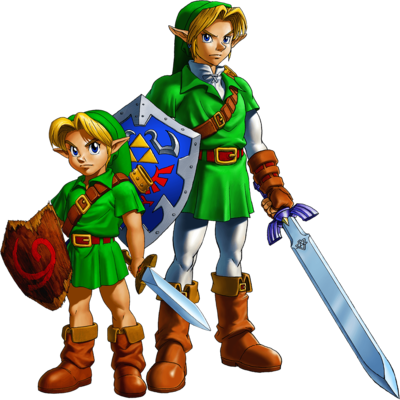
Setting the Stage
The Legend of Zelda: Ocarina of Time is a seminal title in the world of video games, originally released for the Nintendo 64 console in 1998. This groundbreaking game not only redefined the possibilities of action-adventure games but also set a new standard for storytelling and player immersion. Its innovative gameplay mechanics, such as the introduction of Z-targeting for combat and context-sensitive buttons, revolutionized the way players interacted with the game world. The impact of Ocarina of Time on the gaming industry cannot be overstated; it has influenced countless games across multiple genres, with its design philosophies becoming a blueprint for future Zelda titles and beyond.
At its core, Ocarina of Time tells the timeless tale of the Hero of Time, Link, as he embarks on an epic quest to stop the evil Gerudo from taking over the land of Hyrule. The game's narrative unfolds through a masterful blend of puzzle-solving, exploration, and combat, all woven together with a gripping storyline that spans both time and space. Players guide Link as he travels between the past and future, using the eponymous Ocarina of Time to alter the flow of history and solve intricate puzzles that stand in his way. The game's dungeons are legendary for their complexity and ingenuity, requiring players to think creatively and utilize their inventory of items in novel ways.
The remake of such a revered classic is a daunting task, yet it presents an opportunity to introduce this timeless adventure to a new generation of gamers. A faithful remake would maintain the original's essence while enhancing its visuals, modernizing its mechanics, and potentially expanding its content. The prospect of revisiting the land of Hyrule through the lens of contemporary gaming technology is an exciting one, promising to captivate both longtime fans and newcomers alike with its charm, depth, and unforgettable hero's journey.
In the realm of gaming history, The Legend of Zelda: Ocarina of Time stands as a monolith, casting a long shadow over the industry. Its influence is still felt today, with many of its innovations now considered standard features in modern game design. As we look forward to the potential remake, we do so with the knowledge that we are not just revisiting a game, but celebrating a cornerstone of interactive entertainment that has shaped the way we play and experience video games.
The Deep Breakdown
The Legend of Zelda: Ocarina of Time Remake - A Timeless Classic Reimagined
The Legend of Zelda: Ocarina of Time is a timeless classic that has captured the hearts of gamers worldwide since its initial release in 1998. With the announcement of its remake, fans were ecstatic to experience the magic of Hyrule once more, but with updated graphics, gameplay mechanics, and new features. This article delves into the intricacies of the remake, comparing and contrasting it with the original version, and highlighting the enhancements that make it a must-play for both long-time fans and newcomers alike.
The remake of The Legend of Zelda: Ocarina of Time boasts significantly improved graphics that bring the world of Hyrule to life like never before. The textures are more detailed, the colors are more vibrant, and the character models are more expressive, making the game world feel more immersive and engaging. From the lush greenery of the Kokiri Forest to the arid expanse of the Gerudo Desert, each area is meticulously crafted to provide a visually stunning experience that stays true to the original game's aesthetic while elevating it to modern standards.
In terms of gameplay mechanics, the remake retains the innovative Z-targeting system that made the original game so groundbreaking. This system allows for precise combat and interaction with the environment, making the player feel more connected to Link and his adventures. However, the remake also introduces several quality-of-life improvements, such as the ability to switch items on the fly and an upgraded inventory system that makes managing Link's arsenal more intuitive. These enhancements streamline the gameplay experience, allowing players to focus on the joy of exploration and combat without being bogged down by clunky menus or controls.
One of the most anticipated aspects of the Ocarina of Time remake was the potential introduction of new features and content. While the remake remains largely faithful to the original game's story and structure, it does include some welcome additions. For example, the remake features new side quests that flesh out the world of Hyrule and its inhabitants, providing more depth and lore to the already rich tapestry of the game's narrative. Additionally, the remake includes a new dungeon, the "Cave of Shadows," which challenges players with unique puzzles and enemies, offering a fresh experience that complements the original game's dungeons.
In conclusion, The Legend of Zelda: Ocarina of Time Remake is a lovingly crafted update of a timeless classic. With its improved graphics, refined gameplay mechanics, and new features, the remake is a testament to the enduring legacy of the Zelda series and a must-play for any fan of action-adventure games. Whether you're a long-time fan revisiting a cherished classic or a newcomer experiencing the magic of Hyrule for the first time, The Legend of Zelda: Ocarina of Time Remake is a journey that is not to be missed.
Economic Reality & Future Outlook
The release of The Legend of Zelda: Ocarina of Time Remake garnered significant attention from both longtime fans and newcomers to the series. This remastered version of the timeless classic has not only rekindled the love for the original game but also set a new standard for what a remaster should achieve. The reception has been overwhelmingly positive, with praise directed at the enhanced graphics, the fluid gameplay, and the way the game stays true to the original while offering a fresh experience.
Sales figures for the Ocarina of Time Remake have been impressive, reflecting the enduring popularity of the Zelda franchise and the hunger for high-quality remakes of beloved titles. The success of this remaster has sparked discussions within the gaming community about the potential for other classic Zelda titles to receive similar treatment. The impact of the Ocarina of Time Remake on future Zelda game development and remakes is significant, as it sets a precedent for the balance between preserving the essence of the original and enhancing the experience with modern gaming standards.
The commercial success and critical acclaim of the Ocarina of Time Remake suggest that it has tapped into a vein of nostalgia while also attracting a new generation of players. This blend of old and new has the potential to influence how future remakes are approached, both within the Zelda series and the wider gaming industry. Developers now have a clear example of how a remaster can honor the source material while also offering something fresh and exciting to both existing fans and newcomers. The Ocarina of Time Remake's impact on gaming culture is likely to be felt for years to come, as it represents a high watermark for what a remaster can and should be.